Rug cleaning Parsons Green SW6 homes guide
Posted on 29/06/2026
If you live in Parsons Green or anywhere across SW6, rug care tends to slip down the list until there's a spill, a smell, or a patch that suddenly looks far more tired than it did last week. That's normal. Rugs sit in the middle of busy homes, taking the worst of foot traffic, winter mud, pet hair, coffee drops, and the occasional "how did that happen?" stain. This Rug cleaning Parsons Green SW6 homes guide brings the whole thing back to basics in a useful, local way: what works, what can go wrong, when to clean at home, and when it's smarter to call in help.
Truth be told, a good rug cleaning routine is less about perfection and more about knowing your rug's material, your household habits, and the risks of over-wetting or scrubbing too hard. If you get those three things right, most rugs can stay looking sharper for longer. And yes, that includes the kind of rug that has become part of the room rather than just a floor covering.
For readers building a wider home-care routine, it can also help to think about the bigger picture. A clean rug often sits alongside regular domestic cleaning in Fulham, sensible upholstery care, and a sensible attitude to spill control rather than a frantic last-minute rescue mission.
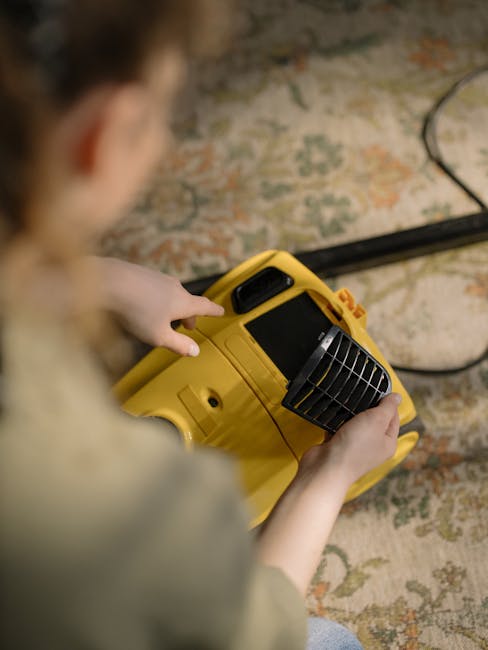
Why Rug cleaning Parsons Green SW6 homes guide Matters
Rugs are one of those household items that quietly change the feel of a room. They soften a wooden floor, make a room warmer underfoot, and pull together furniture that might otherwise feel a bit disconnected. The downside is equally obvious: they collect dirt where you can't see it, especially in homes with children, pets, or lots of guests coming and going.
In Parsons Green SW6, many homes are lived in fully, not styled from afar. That means rugs are exposed to everyday life: shoes by the door, hallway grit, food spills in dining spaces, and the slow flattening that comes from repeated use. A rug that looks "fine" on the surface may still be holding dust, allergens, and embedded debris below the pile. You will notice this most when the room starts to feel dull, even after a tidy-up.
Regular rug cleaning matters because waiting too long often makes the job harder and riskier. Dirt acts like fine sandpaper on fibres. A small stain can set. Odours can sink in. Colours can look muted. And if you try to fix everything at once with the wrong product, you can end up with bleaching, wicking, or texture damage. Not ideal, obviously.
There's also the comfort factor. A freshly cleaned rug makes a room feel calmer. Cleaner air, fresher smell, brighter colours. Small things, but they add up.
For anyone doing a broader refresh, a rug clean pairs well with house cleaning in Fulham or a full services overview if you're trying to plan more than one task at once. Sometimes it is simpler to tackle fabric care as part of a whole-home reset, rather than piece by piece.
How Rug cleaning Parsons Green SW6 homes guide Works
Rug cleaning is not one single method. It's a process of identifying the rug, checking the fibre, choosing the right cleaning approach, and drying it properly. Miss any of those steps and the result can be patchy, delayed, or worse than before. That's the honest version.
Most rug cleaning falls into one of three broad approaches:
- Vacuum-based maintenance for loose dirt, crumbs, pet hair, and surface dust.
- Spot or stain treatment for small marks before they set in.
- Deeper cleaning using carefully controlled moisture, dry methods, or professional equipment depending on the rug.
The first step is always to identify the rug material. Wool, synthetic fibres, cotton blends, jute, silk, viscose, and handwoven rugs all behave differently. A wool rug may tolerate a light wet clean under the right conditions, while a viscose rug can become distorted or watermarked very easily. Jute and sisal are especially sensitive to moisture, and that catches people out all the time.
Then comes the cleaning chemistry. Mild detergents, pH-sensitive treatments, and fibre-safe stain removers matter more than many people think. Stronger is not better. In fact, strong product plus vigorous rubbing is a common recipe for damage. Gentle, controlled, and tested first in a hidden corner is the safer way.
Drying is the part people underestimate. A rug that stays damp too long can develop odour, backing damage, or a slightly musty feel underfoot. In a typical London home, especially during cooler months, airflow matters just as much as the cleaning itself. Open windows, sensible heating, and patience. A bit boring, yes. Also essential.
Expert summary: the best rug clean is usually the one that matches the fibre, the stain type, and the drying conditions in your home. Clean less aggressively than you think, test first, and never rush the drying stage.
Key Benefits and Practical Advantages
Good rug cleaning does more than make things look nicer. The practical advantages are easy to miss until you compare a neglected rug with one that's been properly cared for.
- Better appearance: colours look clearer, borders look sharper, and pile looks more even.
- Improved comfort: rugs feel softer and fresher underfoot.
- Longer rug life: removing grit and residue helps fibres last longer.
- Reduced odour: especially useful in homes with pets or heavy foot traffic.
- Healthier indoor environment: less trapped dust and debris sitting in the pile.
- Better room presentation: useful when preparing for guests, photos, or a tenancy check-out.
There's also a psychological benefit, if we're being honest. A clean rug makes the whole space feel more settled. Even if the rest of the room is perfectly fine, a grubby rug can quietly make everything feel a bit off. Once it's cleaned, the room often feels lighter. Not magic. Just housekeeping doing its job.
For local households juggling regular cleaning, the best results often come from pairing rug maintenance with broader routines such as carpet cleaning in Fulham or even a more general office cleaning mindset for homes used as hybrid workspaces. If you work from home and your rug sits near a desk chair, you already know how quickly wear patterns can build up.
Who This Is For and When It Makes Sense
This guide is for anyone in Parsons Green SW6 who wants a rug to stay usable, attractive, and safe rather than becoming a magnet for dust and stains. That includes busy families, renters, homeowners, pet owners, landlords, and people who simply like their living room to feel properly finished.
It makes especially good sense if:
- your rug is in a high-traffic room such as a hallway, lounge, or dining space;
- you've had a recent spill and want to avoid a permanent mark;
- you've noticed a smell that doesn't shift with vacuuming;
- the rug has flattened in traffic lanes;
- you are moving out, preparing for guests, or refreshing a property before viewings;
- you have a valuable or delicate rug that should not be treated like a standard synthetic mat.
It's also relevant if you are trying to decide whether to clean at home or book a specialist. For example, a synthetic lounge rug with a tea stain may be manageable with careful spot cleaning. A handmade wool rug with fringe, dye movement, or a history of over-wetting? That's a different story. Better to slow down and think.
If you're comparing broader household support, some people prefer to bundle tasks with end of tenancy cleaning in Fulham or upholstery cleaning in Fulham. That tends to make sense when the rug is part of a fuller room refresh rather than an isolated job.
Step-by-Step Guidance
Here's the practical version. Nothing fancy, just the order that usually gives the cleanest and safest result.
1. Identify the rug
Check the label if there is one. If not, inspect the fibre by touch and look. Wool feels different from synthetic pile. Flatwoven rugs behave differently from thick shaggy ones. If the rug has fringe, backing glue, natural fibres, or visible dye variation, be extra careful.
2. Vacuum thoroughly
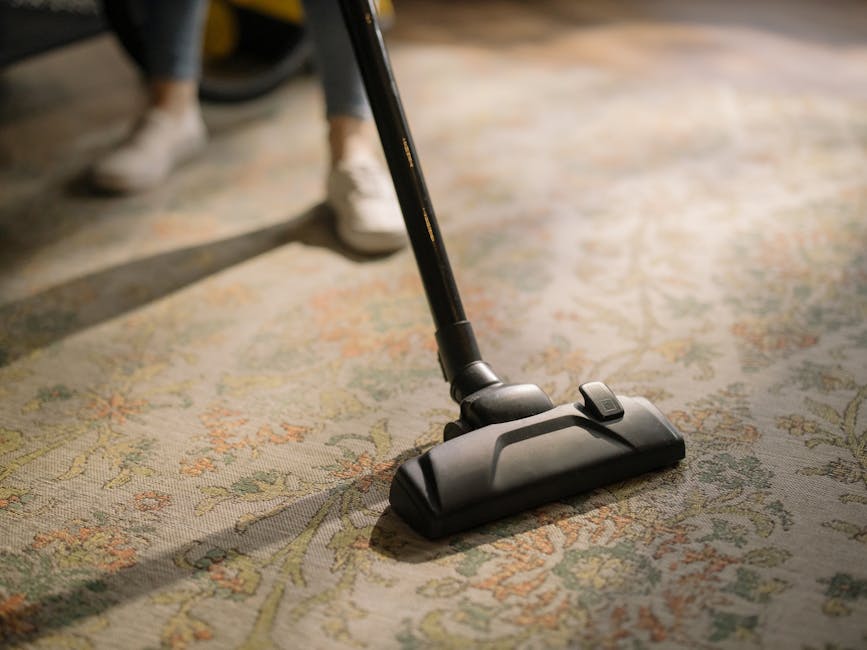
Use a vacuum with a suitable setting for rugs. Go slowly in both directions if the pile allows it. Don't rush. You're not just lifting surface dust; you're trying to remove grit from down in the fibres. If the rug is delicate, use suction without a beater brush where possible.
3. Test any product first
Choose a hidden corner and test your cleaning solution before applying it anywhere visible. Wait for drying. Look for colour transfer, texture changes, or residue. This step feels small, but it saves a lot of regret later.
4. Treat spots gently
Blot, don't scrub. Start from the outer edge of the stain and work inward. Use a clean cloth and a little cleaning solution, then blot again with plain water if appropriate for the fibre. Too much liquid spreads the mark.
5. Use the right deep-clean method
For some rugs, low-moisture cleaning is better than wet extraction. For others, a more controlled wash may be appropriate. The main point is not the label on the machine but whether the method suits the rug fibre and backing. If you are unsure, stop there. It is better to leave a mark untreated than to cause permanent distortion.
6. Dry properly
Raise the rug if possible, improve airflow, and keep it flat if the material requires it. Do not put furniture back too soon. The back of the rug matters as much as the face, especially if moisture has reached the underside.
7. Finish with grooming and inspection
Once dry, brush the pile gently where suitable and check for any remaining marks. Sometimes a stain fades after drying; sometimes it resurfaces. If it does, resist the urge to keep attacking it. That usually makes things noisier, not better.
Expert Tips for Better Results
A few practical habits can make a huge difference. These are the things that tend to separate a decent clean from a frustrating one.
- Vacuum more often than you deep clean. This sounds obvious, but it's the single easiest way to reduce wear.
- Rotate rugs every few months. It helps even out traffic patterns and sunlight exposure.
- Deal with spills immediately. The first five minutes matter more than a fancy product later on.
- Keep bleach well away. It's rarely a good idea on rugs, and on natural fibres it can be disastrous.
- Use minimal water on natural fibres. Jute, sisal, and viscose are not fans of drenching.
- Match stain treatment to the stain type. Grease, wine, mud, and pet accidents all need different responses.
- Think about the room conditions. Damp rooms, cold rooms, and poorly ventilated rooms slow drying and can cause issues.
A small but useful tip: if your rug sits under a dining table, keep an eye on the legs and corners. That's where dirt builds up first, and it's often where wear appears before the middle of the rug looks tired. Funny how that happens, isn't it?
If you're already working through other soft furnishings, a related read such as tips for spot cleaning velvet curtains between full washes can help you treat fabric care as a system rather than random one-offs.
Common Mistakes to Avoid
Most rug damage comes from a fairly small set of errors. The good news is that once you know them, they're easier to avoid.
- Scrubbing stains aggressively. This can rough up fibres and spread the mark.
- Using too much product. Residue attracts dirt, so the rug gets dirty again faster.
- Over-wetting the rug. This can lead to backing damage, colour bleed, or long drying times.
- Skipping the test patch. A hidden corner test is boring but smart.
- Cleaning from the wrong angle. Working from the outside inward is usually safer for stains.
- Putting the rug back too soon. Moisture trapped underneath can cause odour or distortion.
- Assuming all rugs can be cleaned the same way. They can't. Not even close.
One more thing: don't assume a stain is "gone" just because it disappeared while wet. Some marks reappear as the rug dries, which is annoying, but common. Patience matters here. A bit tedious, yes, but better than a surprise the next morning.
Tools, Resources and Recommendations
You do not need a warehouse of equipment to care for a rug properly. In most homes, a sensible small toolkit is enough for maintenance and light spot treatment.
| Tool or item | What it helps with | Practical note |
|---|---|---|
| Vacuum cleaner with adjustable suction | Routine dirt removal | Use a gentler setting on delicate pile |
| White microfibre cloths | Blotting spills | They show transfer clearly and avoid dye issues |
| Soft brush | Lifting pile after cleaning | Use lightly, especially on wool or loop pile |
| Mild pH-neutral cleaner | General spot treatment | Always test first on a hidden section |
| Dry towel or absorbent pad | Moisture control | Useful for pressing out excess liquid |
| Fan or good airflow | Drying | More useful than people think, honestly |
If you're considering professional help, it's sensible to look for clear explanations of process, fibre handling, and safety rather than vague promises. A good provider should be able to explain what happens to delicate rugs, what products are used, and how drying is handled. You can also review practical pages like pricing and quotes and payment and security if you want to understand the process before booking anything.
For homeowners who like to compare options, the article on carpet cleaning near Fulham Broadway Station offers a useful nearby perspective on how local cleaning needs can vary from property to property.
Law, Compliance, Standards, and Best Practice
Rug cleaning is not usually a heavily regulated activity in the way some trades are, but there are still important best-practice expectations around safety, handling, and consumer fairness. If you are hiring someone, it is reasonable to expect clear communication, careful treatment of belongings, and appropriate insurance cover where relevant.
In practical terms, good service standards often include:
- clear explanation of what cleaning method will be used;
- care with fragile, handmade, or antique rugs;
- basic assessment before treatment;
- safe handling of cleaning products;
- reasonable protection of floors and nearby furnishings;
- honest guidance if a rug is too delicate for a particular process.
Best practice in the UK also means being careful with risk. Strong chemicals, wet surfaces, cables, and moving furniture can create hazards if handled badly. That is why it is sensible to check any provider's approach to insurance and safety and their general health and safety policy if you are booking a professional clean.
On the customer side, keep records of what was agreed, especially for delicate items or stain-prone rugs. If something goes wrong, a sensible complaints process matters too; no one enjoys needing it, but it's reassuring when it exists. If you want to understand how a service handles issues, the complaints procedure page is worth a look. There are also straightforward policy pages such as terms and conditions, privacy policy, accessibility statement, and about us that help build trust before anyone steps through the door.
Options, Methods, and Comparison Table
There are several ways to clean a rug, and the best choice depends on the fibre, size, soil level, and how much risk you're comfortable with. Here's a simple comparison.
| Method | Best for | Pros | Watch-outs |
|---|---|---|---|
| Routine vacuuming | All rugs | Cheap, easy, essential | Won't remove set stains or deep dirt |
| Spot cleaning | Small spills and marks | Fast response, low disruption | Can spread stains if overdone |
| Low-moisture cleaning | Sensitive rugs that dislike soaking | Less drying time, lower water risk | May not tackle heavy soil alone |
| Professional deep clean | Heavily used or valuable rugs | More thorough, fibre-aware treatment | Needs the right method for the rug |
| Full wash or immersion-style clean | Some robust rugs only | Can restore appearance well | Not suitable for many natural or delicate fibres |
A good rule of thumb: the more delicate the rug, the less improvisation you want. That's why a wool heirloom and a cheap hallway runner are not the same job. Obvious, maybe, but it gets overlooked in real homes all the time.
Case Study or Real-World Example
A Parsons Green family living room rug had a familiar set of problems: a pale wool blend, a few coffee marks, flattened walking lines near the sofa, and a faint dog smell after wet weather. Nothing dramatic. Just enough to make the room feel tired.
They started with a careful vacuum, then checked a hidden edge for colour stability. The coffee marks were blotted rather than scrubbed, and the rug was treated in sections with very controlled moisture. The biggest improvement actually came from drying well and grooming the pile afterwards. The room looked brighter, but more importantly, it felt cleaner without looking overworked. You could tell someone had cared, which is different from simply having attacked it with a bottle.
The lesson was simple: the rug didn't need heroic treatment. It needed the right treatment. A small distinction, but a useful one.
For people trying to keep a whole property in better shape, this kind of care often sits alongside broader home routines and local lifestyle habits. If you're interested in how people think about living well in the area, pieces such as a local's opinion on Fulham living and embracing the local vibes in Fulham capture that home-proud, lived-in feel quite well.
Practical Checklist
Use this quick checklist before you clean a rug at home.
- Check the fibre type and any care label.
- Vacuum both sides if appropriate and safe.
- Test your product in a hidden corner.
- Keep cleaning products mild unless you know the rug can handle more.
- Blot stains gently, do not rub hard.
- Use as little moisture as you can get away with.
- Allow proper airflow for drying.
- Keep furniture off the rug until fully dry.
- Inspect the rug again once dry for hidden marks or texture changes.
- Stop if you notice dye movement, backing issues, or distortion.
If you're dealing with a delicate fibre, antique rug, or stubborn odour, the sensible move is to pause and get advice rather than making a bold guess. Rugs can forgive a fair bit, but not everything.
Conclusion
Rug cleaning in Parsons Green SW6 homes is really about matching the method to the material and respecting the rug's role in the room. A clean rug improves comfort, presentation, and day-to-day enjoyment, but the real win is avoiding mistakes that shorten its life. Gentle maintenance, quick spill response, and proper drying will solve a surprising number of problems before they become expensive ones.
Whether your rug is a practical family piece, a statement feature, or something with a bit of history, the same principle applies: treat it carefully, and it will usually repay you by making the whole home feel better. Simple, but true.
Get a free quote today and see how much you can save.