Communal Area Cleaning in Fulham
If you manage or live in a building where hallways, stairwells, entrance lobbies, shared kitchens, lift areas, or bin stores need regular care, communal area cleaning in Fulham is one of the simplest ways to keep the property looking presentable, hygienic, and easier to maintain. In a busy part of West London like Fulham, shared spaces are used every day by residents, visitors, managing agents, landlords, and contractors, so they quickly show signs of wear if they are not cleaned properly and consistently.
Local properties range from converted Victorian and Edwardian houses near Fulham Road to modern apartment blocks, mansion flats, mixed-use developments, and small commercial buildings close to Parsons Green, Putney Bridge, and the river. Each type of building brings different cleaning needs, whether that means polished communal floors, carefully cleaned glass, spot removal on walls and doors, or regular rubbish and recycling area upkeep. A dependable communal cleaning service helps support the overall feel of the property and makes day-to-day life more comfortable for everyone using it.
For many customers, the main reason to arrange communal area cleaning Fulham is straightforward: shared spaces are hard to keep on top of without a routine. Foot traffic, muddy shoes, dust from open windows, hand marks on bannisters, and general bin area build-up can all make the building feel neglected. A local team that understands the pace, access issues, and property layouts in Fulham can make a noticeable difference from the very first visit.
Why communal cleaning matters for Fulham properties
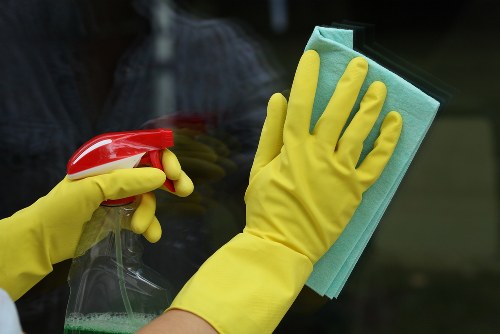
Communal spaces create the first impression of a building, and that first impression matters to residents, guests, and prospective tenants alike. In Fulham, many buildings are home to busy professionals, families, shared households, and long-term tenants who expect common areas to be clean, safe, and well cared for. When these spaces are neglected, the whole property can feel untidy, even if individual flats or offices are in good condition.
A well-planned cleaning routine also helps protect surfaces over time. Dirt and grit on stair treads can cause unnecessary wear, while spillages left too long on floors or handrails can become harder to remove. Lift buttons, intercom panels, door handles, and mail areas are touched by many people each day, so they need regular attention. In buildings with polished floors, carpets, or painted walls, the right approach can help preserve the finish and reduce avoidable damage.
Communal area cleaning in Fulham is especially useful where properties have a mix of residents and visitors coming and going throughout the week. Shared access points around Fulham Broadway, Lillie Road, and the surrounding residential streets can quickly accumulate dust, litter, and marks from heavy use. A local service can keep on top of the details that matter, helping the building stay welcoming and easier to manage.
What is included in communal area cleaning?

The exact schedule and checklist will vary depending on the building, but most communal cleaning services focus on the shared areas people see and use most often. This usually includes entrance halls, staircases, landings, internal windows, skirting boards, lift areas, and other circulation spaces. In many buildings, the service may also include bin store cleaning, external sweeping of immediate access points, and light touch-point cleaning.
For practical reasons, it is often best to tailor the service to the property. A compact conversion in Parsons Green may need a simple weekly clean of stairs, handrails, and entrance mats, while a larger block near Fulham Palace Road or Sands End may need a broader checklist covering multiple floors, lobby areas, and refuse spaces. The aim is not to overcomplicate things, but to make sure the shared parts of the building stay clean and presentable for the people who use them every day.
Typical tasks can include:
- Vacuuming carpets and runners in halls, stairs, and landings
- Sweeping and mopping hard floors
- Dusting and wiping bannisters, ledges, and skirting boards
- Cleaning entrance glass, doors, and accessible internal windows
- Removing cobwebs from corners, ceilings, and light fittings within reach
- Wiping lift interiors, buttons, and call panels
- Cleaning communal noticeboards, mail areas, and access points
- Tidying bin stores and rinsing down spillages where appropriate
How a local Fulham cleaning service works
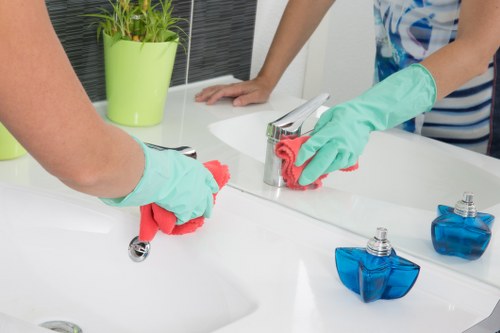
Most customers want a service that is simple to arrange, easy to maintain, and reliable from week to week. That is especially true where buildings have different access arrangements, keyholding needs, or specific instructions from a managing agent. A local team can usually respond more flexibly than a provider based far away, which is valuable when working around resident schedules, contractor visits, or building rules.
The process often starts with a property review or an initial discussion about the building layout, number of floors, level of foot traffic, and the areas that need attention most often. From there, a cleaning plan can be set up to suit the property. Some buildings need daily attention, while others are better served by a weekly or twice-weekly visit. The right frequency depends on the number of occupants, the time of year, and the general use of the shared spaces.
During each visit, a cleaner will usually follow the agreed checklist, using suitable products and methods for the surfaces involved. In buildings with carpeted stairs, for example, vacuuming may be the priority. In blocks with tiled or vinyl floors, mopping and edge detailing may be more important. The best results come from consistency, careful attention to detail, and a practical approach that fits the building rather than forcing it into a one-size-fits-all routine.
What customers often appreciate most
Many residents and property managers value clear communication, punctual visits, and a team that knows how to work around shared access and privacy requirements. In a busy local area like Fulham, this matters. Buildings can have limited parking, narrow entrances, or tight stairways, so a cleaner who is familiar with the area can work efficiently without causing disruption. That local familiarity can be just as important as the cleaning itself.
Common property types in Fulham
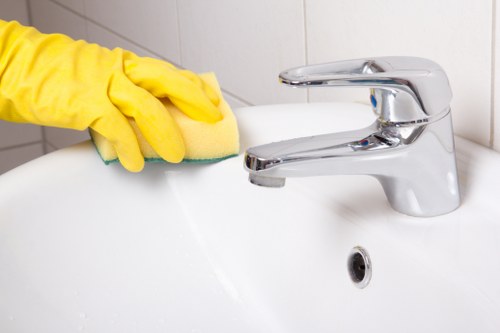
Fulham has a varied property mix, and the cleaning needs of each building type can be quite different. Older conversions often have character features such as wooden bannisters, original tiling, or decorative mouldings that need careful handling. Newer developments may have glass, metal, and modern finishes that look smart when cleaned well but also show fingerprints and dust very easily. Mixed-use buildings can have residential corridors alongside commercial entrances, which means the work has to be planned to suit different users and traffic patterns.
Communal cleaning in Fulham is commonly arranged for apartment blocks, mansion flats, converted townhouses, office buildings, small retail premises with shared access, and managed buildings with resident-only entrances. It is also useful for blocks where bins are stored internally or in shared yards, since these areas can quickly become unpleasant without regular attention. A good cleaning routine helps keep these spaces manageable and less likely to attract complaints.
Nearby areas such as Parsons Green, West Brompton, Chelsea borders, Hammersmith, and Putney also influence how buildings are used, because many residents commute, rent, or host visitors regularly. That means communal areas may see different patterns of use during the day and evening. A local provider understands that in Fulham, the needs of a block on a quiet residential street may be very different from those of a building close to transport links or busier roads.
Examples of buildings that benefit most
- Apartment blocks with shared hallways and stairwells
- Period conversions with multiple residents
- Managed rental properties and estate-managed buildings
- Mixed residential and commercial premises
- Buildings with lift lobbies, mail rooms, or shared entrances
- Properties with bin stores, cycle stores, or internal access corridors
Why choose a local company for communal area cleaning in Fulham?
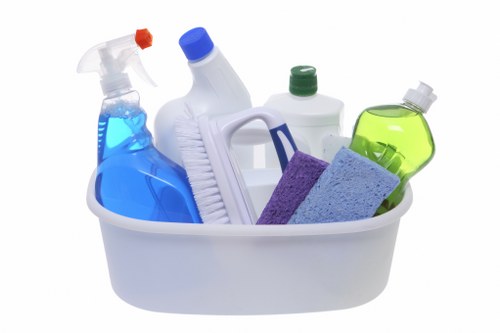
Choosing a local team gives you practical advantages that are easy to overlook at first. Fulham has streets where parking is restricted, access can be tight, and building entrances are not always straightforward for larger vehicles or equipment. A cleaner who already works in the area is more likely to understand local routines, permit concerns, and the best way to manage visits without disturbing residents or neighbours.
Local knowledge is also helpful when buildings have specific patterns of use. Some blocks are quieter during school hours but busier in the evenings. Others have frequent deliveries, visitor traffic, or resident turnover. A nearby cleaning provider can adapt more easily to these realities and help maintain a consistent standard. That matters for landlords, letting agents, resident associations, and freeholders who need a service that feels dependable rather than occasional.
Fulham communal area cleaning is not only about appearance. It also supports better property management by making issues easier to spot. Regular visits can highlight spillages, broken fixtures, damaged lighting covers, or problems with litter accumulation before they become larger concerns. When the shared areas are checked frequently, it is easier to keep the building in good order.
Advantages at a glance
- Faster response and better familiarity with local access conditions
- Cleaner, more welcoming shared spaces for residents and visitors
- Flexible schedules to suit building usage and occupancy
- Better attention to detail in high-traffic areas
- Support for long-term upkeep of floors, fittings, and finishes
What makes a good communal cleaning schedule?
The right schedule depends on how the property is used, how many residents are in the building, and which spaces tend to get dirty first. A small staircase in a quiet conversion may only need a weekly clean, while a larger block with heavy foot traffic may need several visits each week. Many customers in Fulham prefer a routine that is predictable and easy to review, especially where management responsibilities are shared between multiple parties.
There are also seasonal factors to consider. During wetter months, entrance mats and hall floors may need extra attention because of mud and water being brought in from outside. In warmer periods, dust and general build-up can become more noticeable, especially in buildings with open windows or busy entryways. A flexible schedule can respond to these changes without needing constant rethinking.
Communal area cleaning in Fulham should feel practical, not disruptive. The goal is to keep spaces consistently tidy without getting in the way of residents. For that reason, many buildings benefit from an agreed checklist, a reliable frequency, and a service that stays focused on the areas that matter most.
Common cleaning frequencies
- Weekly: suitable for smaller or lower-traffic shared spaces
- Twice weekly: useful for mid-sized blocks and busier entrances
- Three or more visits per week: often preferred for larger or heavily used buildings
Preparing your building for the service
There is usually very little preparation needed before a communal cleaning visit, which is one reason the service works well for busy residents and managers. Still, a few simple steps can help the clean go more smoothly and ensure the cleaner can focus on the right tasks. The aim is to remove obstacles and make shared areas easy to access, not to turn the building into something special for the visit.
Where possible, residents should keep personal items out of hallways, stairs, and shared landings. Prams, bikes, shoes, boxes, and other belongings can make vacuuming or mopping harder and may leave areas looking messy even after cleaning. If there are fragile items, notices, or items of shared property that need to be left alone, it helps to make that clear in advance.
Useful preparation steps include:
- Keeping stairwells and landings free from loose belongings
- Providing access instructions for locked doors, gates, or shared entrances
- Noting any areas that need extra care, such as polished floors or delicate finishes
- Advising about bin collection days or times when refuse areas are busiest
- Sharing any building rules about noise, access, or resident privacy
If the property has specific management arrangements, it can also help to agree who will handle keys, codes, or access permissions. That avoids confusion and keeps the cleaning process straightforward from the start.
Pricing factors: what affects the cost?
Every building is different, so the cost of communal cleaning depends on the work involved rather than a fixed rate that suits everyone. The main factors usually include the size of the property, the number of floors, how often the service is needed, and the type of surfaces that require attention. A building with carpet, glass, lifts, and bin stores will naturally take more time than a simple stairwell in a small conversion.
Access can also affect the time required. If cleaners need to work around restricted entry, limited parking, or specific time windows, the schedule may need to be planned more carefully. In Fulham, these issues are common, particularly on busier streets or in developments where loading and parking are tightly controlled. A local service is often better placed to plan efficiently and avoid unnecessary delays.
Other pricing factors may include whether the job needs one-off deep cleaning, regular maintenance cleaning, or occasional extra work such as litter picking, cobweb removal, or bin area attention. The clearest way to get accurate pricing is to request a quote based on the building’s actual layout and cleaning needs. That way you only pay for the work that is genuinely required.
Factors commonly considered
- Number of communal floors and entrance points
- Flooring type and surface condition
- Cleaning frequency requested
- Level of foot traffic and building use
- Additional spaces such as lifts, bin stores, or internal glass
- Access arrangements and parking constraints
Request a free quote if you want a price tailored to your building’s size, layout, and requirements.
Residential and commercial communal spaces
Although most people think first of apartment blocks, communal area cleaning is also important in commercial buildings and mixed-use properties. Shared entrances, corridors, break-out zones, kitchens, reception spaces, and toilets can all benefit from regular attention. In a busy district like Fulham, where residential and business use often overlap, keeping these spaces clean contributes to a better environment for everyone.
For residential customers, the focus is often on comfort, appearance, and hygiene. For commercial clients, the emphasis may be on presentation, staff wellbeing, and making sure visitors experience a tidy, professional building from the moment they step inside. In both cases, the cleaning approach should be suitable for the property, the people using it, and the rhythm of daily activity.
Where shared areas serve both residents and commercial tenants, coordination becomes especially important. A local team can work with building managers or responsible parties to agree a routine that reduces disruption and fits around use patterns. That can mean early morning visits, quieter time slots, or a checklist that covers both high-traffic and low-traffic areas effectively.
What a professional clean should feel like
When communal cleaning is done well, it does not draw attention to itself; it simply makes the building feel cared for. Floors look fresher, touchpoints are cleaner, dust is under control, and the entrance feels more welcoming. The difference is especially noticeable in buildings where residents walk through shared spaces multiple times a day and want a consistent standard rather than occasional deep cleans.
A good service should also be practical and low-fuss. Residents should not have to work around mess left behind, and management should not need to chase basic tasks. Instead, the building should benefit from a routine that works quietly in the background. That kind of consistency is often what customers want when they search for communal area cleaning Fulham: a reliable service that fits the property and keeps shared spaces looking respectable.
For buildings in Fulham, where presentation matters and space can be at a premium, a well-kept communal area can improve everyday satisfaction. It can also help support tenant retention in rental properties and a more positive impression for visitors, contractors, and potential buyers.
Frequently asked questions
How often should communal areas be cleaned?
It depends on the size of the building and how much traffic the shared areas receive. Smaller properties may only need weekly cleaning, while larger blocks or busier entrances often need more frequent visits. The right schedule is usually based on usage, floor count, and the condition of the communal spaces.
Can the cleaning be arranged around residents?
Yes. Many buildings prefer cleaning at specific times to avoid disturbing residents, visitors, or delivery schedules. A local provider can usually plan around access windows and building routines.
Do you clean bin stores and refuse areas?
These areas are often included where requested, especially in blocks where waste storage is shared. Because bin stores can become unpleasant quickly, many customers choose to have them cleaned regularly as part of the wider communal service.
What if the building has carpeted stairs and hard floors?
That is very common in Fulham properties. A tailored cleaning checklist can include vacuuming for carpeted areas and mopping or polishing for hard floors, using methods suitable for each surface.
Is this service suitable for small converted houses?
Yes. Communal cleaning is not just for large apartment blocks. It can be very useful in smaller conversions where multiple occupants share an entrance, staircase, and hallway.
What areas around Fulham can be covered?
Services are typically arranged across Fulham and nearby neighbourhoods, including Parsons Green, Fulham Broadway, Sands End, the Putney Bridge side of Fulham, and bordering areas where local access makes regular cleaning practical.
Keeping your building looking its best
Shared spaces deserve the same care as individual flats or offices, because they shape the experience of everyone who enters the building. Whether you are a landlord trying to maintain a tidy investment, a resident looking for more pleasant common areas, or a managing agent seeking a reliable cleaning arrangement, a well-structured communal service can make building management much easier.
In Fulham, where properties are varied and access can be tight, it makes sense to work with a local team that understands the area and the practical realities of regular cleaning. From entrance halls and staircases to lift areas and bin stores, the right service helps the property stay clean, presentable, and easier to look after throughout the year.
Contact us today to discuss your building, request a free quote, or arrange a service that suits your communal areas in Fulham. If you are ready to improve the cleanliness and appearance of your shared spaces, book your service now and keep the building feeling well maintained for the people who use it every day.