Upholstery cleaning Bishops Park riverside homes: a practical guide for cleaner, healthier living spaces
If you live in one of the Bishops Park riverside homes, you already know the setting is a bit special: bright rooms, leafy views, and a lived-in, elegant feel that deserves proper care. Upholstery cleaning Bishops Park riverside homes is not just about making a sofa look nicer for a weekend. It is about protecting fabric, removing daily grime, managing humidity-related issues that can creep in near the river, and keeping your home feeling fresh without over-wetting delicate furnishings.
In a riverside property, upholstery can pick up more than the usual tea spills and pet hair. Open windows, changing temperatures, dust from shoes, and the general comings and goings of family life all leave a mark. The good news? With the right approach, most sofas, armchairs, dining chairs, and headboards can be cleaned safely and brought back to life. This guide walks you through what matters, how the process works, what to avoid, and how to judge quality like a pro.
Why Upholstery cleaning Bishops Park riverside homes Matters
Upholstered furniture does a lot of silent work. It absorbs body oils, pollen, crumbs, pet dander, skin cells, and the occasional splash of red wine or muddy paw print. In a riverside setting, there is often an added layer: slightly more airborne dust, moisture variation, and fabric wear from larger windows being opened and closed through the seasons. That does not mean your furniture is at risk every day, but it does mean routine care matters more than people sometimes expect.
Let's face it, upholstery is easy to overlook because it rarely looks "dirty" in the obvious way. A sofa can seem fine right up until you see the difference after a proper clean. The armrests are usually the giveaway. So are scatter cushions, chair backs, and the fabric where legs rest. A professional clean helps remove the grime you can't always see, which is often what makes interiors feel tired.
For homes in and around Bishops Park, there is also a presentation angle. Riverside homes are often styled carefully, with soft furnishings chosen to match the light and the view. When upholstery is dull or marked, the whole room feels less settled. A careful clean restores that finish without needing to replace expensive pieces too soon. That is the kind of thing you notice on a grey afternoon, especially around midwinter when every room seems to tell the truth.
If you already maintain your home with regular domestic cleaning, upholstery care fits neatly alongside it. It is one of those little upgrades that quietly improves daily life. And yes, it is also a good idea if you have visitors often, children with sticky fingers, or a dog that thinks the sofa belongs to everyone.
How Upholstery cleaning Bishops Park riverside homes Works
Professional upholstery cleaning is not one single method. The right process depends on the fabric, construction, soil level, and stain type. A good cleaner starts by identifying what the item is made from. Cotton, wool blends, polyester, velvet, linen, and synthetic microfibres all behave differently. Some can handle moisture well; others need a much gentler touch.
The usual process begins with inspection and testing. A technician looks for fibre type, colour fastness, seam weakness, and existing damage. Then they choose a method, often dry soil removal first, followed by targeted spot treatment and either low-moisture extraction, hot water extraction, or specialist fabric-safe cleaning. The point is not to flood the fabric. The point is to lift embedded dirt while protecting the shape and feel of the upholstery.
In practical terms, that means several stages:
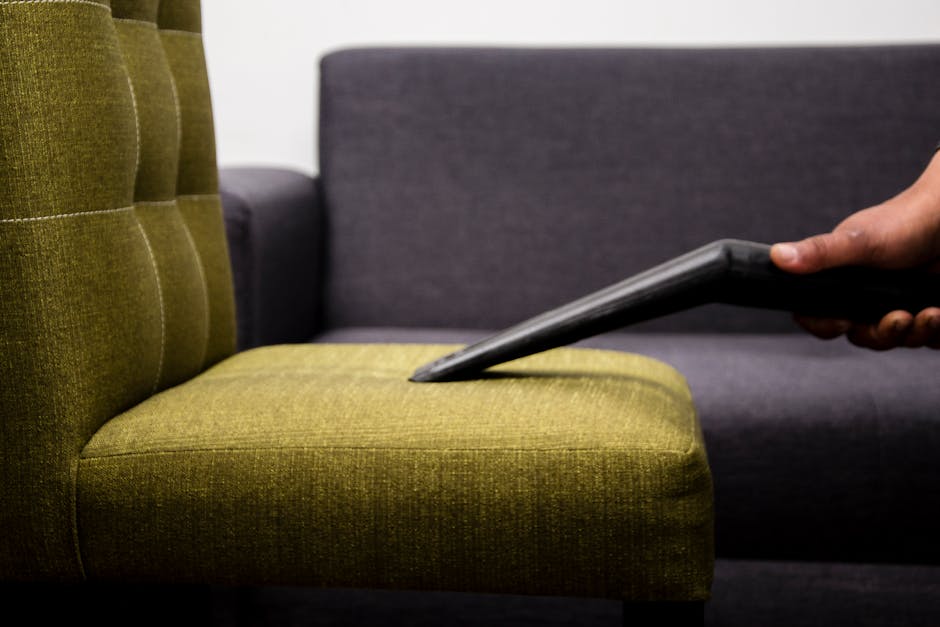
- vacuuming and dry debris removal
- pre-treatment for grease, drink spills, or protein-based stains
- careful agitation where needed
- controlled cleaning application
- extraction or gentle removal of residues
- final grooming and drying guidance
Some furniture benefits from steam-based cleaning, while other pieces are better served by a specialist upholstery process rather than heavy moisture. If you are comparing options, it can help to look at related services such as sofa cleaning, stain removal, and pet stain and odour removal. The best providers will tell you which route suits the item rather than forcing one method on everything. That's usually the sign of someone who knows what they are doing.
A decent clean should leave upholstery refreshed, not soaked, stiff, or streaked. If the fabric is delicate, drying time and ventilation are part of the service, not an afterthought.
Key Benefits and Practical Advantages
The obvious benefit is that your furniture looks better. But there is more to it than appearance. Upholstery cleaning can change how a room feels. Fabric that has lost its colour or picked up odours can make a space seem older and less cared-for than it really is. A clean sofa, by contrast, gives the whole room a lift.
Here are the practical gains most Bishops Park households notice first:
- Improved appearance: colours look clearer and fibres sit more neatly.
- Reduced odours: everyday smells from cooking, pets, and general living are less noticeable.
- Better hygiene: dust and allergens trapped in fabric are reduced.
- Longer furniture life: regular cleaning slows the buildup that wears fabric down.
- Better living comfort: the home feels fresher and more pleasant, day to day.
For households with children, this is especially useful. Sofa arms and dining chairs collect sticky residue faster than people realise. For pet owners, the benefits are even clearer. Fabrics can trap dander and odour in a way that surface wiping simply cannot touch. And for anyone working from home, a clean armchair or reading nook matters more than you might think. You sit there every day. It should feel good.
If your home is being prepared for guests, a tenancy handover, or a larger reset after decorating, upholstery cleaning can sit alongside deep cleaning or even move-in cleaning. That combination is often the difference between a room that looks tidy and one that actually feels ready.
Who This Is For and When It Makes Sense
To be fair, not every home needs upholstery cleaned at the same frequency. A lightly used spare room sofa is a very different story from a family sofa that sees breakfast, homework, and movie nights. The right schedule depends on use, not just age.
This service makes especially good sense if you:
- live in a family home where sofas and chairs see daily use
- own pets that sit on furniture, or at least try to
- have visible spots, shading, or dull patches on fabric
- notice stale smells after windows have been shut for a while
- are preparing for guests, a party, or property photography
- have moved into a property and want a proper fresh start
- need to bring a room back into shape after builders or decorators have left dust behind
In riverside homes, there is a subtle extra reason: light. Natural light shows everything. What looked acceptable in the evening can look patchy by morning. If you have ever sat down with a coffee, glanced at the sofa in daylight, and thought, "Hmm, that used to be cream," you know the feeling.
For residents who prefer a wider home reset, upholstery care is often bundled with one-off cleaning, house cleaning, or move-out cleaning. That is a sensible way to handle everything in one visit rather than chasing separate fixes.
Step-by-Step Guidance
If you want to understand what a good upholstery clean actually involves, here is the simplest way to think about it. There is a right sequence, and skipping steps tends to show later. Usually.
- Identify the fabric. Check the care label if available and ask about any known weak spots, old stains, or repairs.
- Clear the area. Move cushions, small items, and anything fragile nearby.
- Vacuum thoroughly. Dry soil removal comes first because grit acts like sandpaper under cloth.
- Test the cleaning solution. A small hidden patch is usually checked for colour stability and reaction.
- Pre-treat problem areas. Heavier marks are treated before the general clean.
- Clean with the appropriate method. This may involve low-moisture extraction, careful agitation, or hand-applied solutions.
- Remove residues. Leftover solution can attract dirt again, so proper extraction matters.
- Groom and dry. Fibres are reset, air circulation is encouraged, and drying advice is given.
That final stage matters more than people think. A freshly cleaned sofa can look superb, but if it dries badly, you may end up with water marks, lingering damp, or a slightly flattened pile. Nobody wants that. In a riverside property, where ventilation may vary from room to room, drying guidance should be specific, not vague.
If you are arranging several services at once, it can help to think in zones. Soft furnishings might be handled through upholstery cleaning, floor fabrics through carpet cleaning or rug cleaning, and curtains through curtain cleaning. Keeping the plan sensible avoids over-treating one room while neglecting another.
Expert Tips for Better Results
Here is where the small details pay off. A lot of upholstery cleaning success comes from restraint. More product, more water, more scrubbing - that is not automatically better. In fact, it often makes things worse.
Choose the mildest method that solves the problem. If the fabric can be lifted clean with lower moisture, that is usually preferable to heavier saturation. It keeps drying times shorter and reduces the risk of wicking, where hidden dirt rises back to the surface as the fabric dries.
Deal with stains early. Fresh marks are almost always easier to remove than old ones. A spill from breakfast that is tackled quickly is far less stubborn than the same spill left until the weekend. Truth be told, life gets busy, but a small response early on saves a lot of effort later.
Use airflow properly. Open windows if the weather is dry and not too damp, use fans if recommended, and give the fabric time. In a riverside setting, that can make all the difference on humid days.
Ask about fibre-specific care. Velvet, boucle, and natural fibres each need a slightly different touch. The cleaner should be able to explain that in plain English, not hide behind jargon.
Combine services when it makes sense. If the room needs a broader reset, pairing upholstery with window cleaning or hard floor cleaning can make the whole space feel much more finished. It is a small thing, but you feel it immediately when you walk in.
A little humour never hurts here: a sofa that has been through three winters, two birthdays, and one questionable cheese toastie incident deserves some professional attention.
Common Mistakes to Avoid
Most upholstery damage comes from trying to hurry the process. That's the honest answer. People often mean well, but a quick fix can leave a lasting problem.
- Over-wetting the fabric: too much liquid can cause shrinkage, rings, or odour.
- Using random household cleaners: strong detergents may fade colour or leave sticky residue.
- Scrubbing aggressively: this can rough up fibres and spread stains further.
- Ignoring the care label: that little tag is there for a reason.
- Skipping a test patch: especially risky on dyed or natural fabrics.
- Forgetting about drying: a clean sofa that stays damp too long can become unpleasant fast.
One common mistake in riverside homes is assuming a room with decent light and a breeze will dry itself quickly enough. Sometimes yes. Often, not quite. If the fabric is dense or the weather is muggy, drying can take longer than expected. Better to plan for that than to find out the awkward way at 9 p.m.
Another easy miss is asking for one method when the item really needs a more tailored approach. For example, some items are better handled with stain removal work first, then a broader clean after. Order matters. A lot.
Tools, Resources and Recommendations
You do not need a warehouse of kit to care for upholstery properly, but you do need the right basics. The aim is prevention, safe upkeep, and sensible intervention when something goes wrong.
Useful tools and materials include:
- a vacuum with an upholstery attachment
- a soft fabric brush for lifting settled dust
- microfibre cloths for spot handling
- plain white towels for gentle blotting
- fans or good natural ventilation for drying
- a fabric-safe spot treatment, used carefully and sparingly
If you are working through a broader home-maintenance plan, you may also find related services helpful, such as mattress cleaning for sleep hygiene, or regular cleaning for keeping everyday dust down before it settles into fabric. It is often the accumulation, not a single disaster, that makes upholstery look tired.
For property owners or landlords, it may also help to coordinate upholstery care with end of tenancy cleaning so that soft furnishings, floors, and high-touch surfaces are handled as one job. That tends to be more efficient and less stressful.
If you are comparing providers, ask simple questions: How do they test fabrics? How do they handle old stains? What drying advice do they give? Do they explain limitations clearly? Those answers tell you a great deal about the service you will receive.
Law, Compliance, Standards and Best Practice
For upholstery cleaning, the main compliance issues are usually practical rather than dramatic. In a home environment, the key concerns are safe product use, care for delicate fabrics, managing slips from damp floors, and working in a way that does not create avoidable damage. Good practice means using suitable solutions, following manufacturer guidance where available, and respecting any care instructions on the item.
In the UK, responsible cleaning providers generally keep an eye on health and safety, insurance, and safe handling of equipment and solutions. That does not need to become a lecture, but it should be visible in the way they work. A tidy setup, clear explanations, and careful drying advice all help.
If you are choosing a company, it is reasonable to ask whether they have clear policies around insurance and safety and whether their cleaning approach aligns with a sensible health and safety policy. Those are not box-ticking extras. They matter when someone is working with fabrics, moisture, electrical equipment, and occupied homes.
Best practice also includes realistic expectations. Not every stain can be removed fully. Sun fading, old dye transfer, and fibre wear may remain visible even after an excellent clean. A trustworthy cleaner should say that plainly rather than promising miracles. That honesty is worth a lot.
On the environmental side, many households prefer methods that reduce waste and unnecessary chemical use. If that matters to you, ask about recycling and sustainability and how residues are managed. Simple, sensible choices are usually best.
Options, Methods, or Comparison Table
There is no single best upholstery cleaning method for every piece of furniture. The right choice depends on the fabric, the stain, and how quickly the item needs to be usable again. Here is a straightforward comparison.
| Method | Best for | Strengths | Watch-outs |
|---|---|---|---|
| Low-moisture cleaning | Delicate fabrics, everyday dirt, quick turnaround | Shorter drying time, lower risk of over-wetting | May struggle with deep, old staining |
| Hot water extraction | Durable upholstery, heavier soil, general deep refresh | Strong cleaning power, good for embedded grime | Needs careful drying and fabric suitability checks |
| Hand spot treatment | Targeted stains, small areas, sensitive materials | Precise, controlled, useful as a first step | Not a full clean on its own |
| Specialist fabric treatment | Velvet, natural fibres, fragile or high-value items | Tailored care, reduced damage risk | May take longer and require more assessment |
If you are unsure which method fits your furniture, that is normal. The decision is often made after inspection. A cleaner who explains why one method is safer than another is usually giving you the better answer, even if it is not the most dramatic one.
Case Study or Real-World Example
A typical Bishops Park scenario goes like this. A family living in a riverside flat has a pale three-seater sofa in the sitting room. It has served through school mornings, work calls, snacks, and a very enthusiastic dog. Nothing catastrophic has happened. That is the sneaky part. Over time, the arms darken, the seat cushions dull, and the room starts to feel slightly less crisp than it should.
They do not want to replace the sofa because it still feels comfortable and the frame is fine. Fair enough. The cleaner inspects the fabric, tests a hidden area, and finds that a controlled low-moisture approach is safest. The pet areas are pre-treated, the general soil is lifted, and the armrests receive extra attention. Drying is managed with good airflow and careful guidance.
The result is not "brand new" in a magical sense, because real life furniture rarely is. But the sofa looks lighter, smells fresher, and feels better to sit on. The room itself changes too. The family notices it most in the evening, when the lights go on and the fabric no longer catches the eye for the wrong reasons. That is the real win.
In a home like that, upholstery care is not vanity. It is upkeep. And honestly, it can feel a bit like getting your favourite chair back.
Practical Checklist
Use this checklist before booking or starting any upholstery clean.
- Check the fabric type or care label if available.
- Identify any stains, odours, or worn areas.
- Decide whether the item needs spot treatment, a full clean, or both.
- Clear the area around the furniture.
- Confirm drying space and ventilation.
- Ask about the method being used and why it suits the fabric.
- Request care guidance for after the clean.
- Combine with other relevant services if the room needs a broader refresh.
- Keep pets and children away while the item dries.
- Inspect the results once the fabric is fully dry, not halfway through.
If you are organising a bigger home reset, you might also pair upholstery care with Airbnb cleaning, move-in cleaning, or after builders cleaning depending on what is happening in the property. That way the whole place gets handled in one sensible sweep rather than bit by bit.
Get a free quote today and see how much you can save.
Conclusion
Upholstery cleaning Bishops Park riverside homes is really about protecting the comfort and character of your home. The right clean removes hidden dirt, helps fabrics last longer, and restores that fresh, well-kept feeling that makes a room feel properly lived in and looked after. In a riverside property, where daylight and humidity can reveal every small thing, that care matters even more.
The key is to match the method to the fabric, avoid rushed shortcuts, and treat drying as part of the job rather than an inconvenience. Do that, and your sofas, chairs, and soft furnishings can keep earning their place in the room for years. Small effort, good results. Not flashy, just sensible - and sometimes that is exactly what a home needs.
When your furniture feels cared for, the whole house settles a little more easily. And that, really, is the point.
Frequently Asked Questions
How often should upholstery be cleaned in a Bishops Park riverside home?
For most homes, a professional clean every 12 to 24 months is a sensible starting point, but high-use sofas, homes with pets, or light-coloured fabrics may need attention sooner. If a sofa is used daily, it will show it.
Is upholstery cleaning safe for delicate fabrics?
It can be, provided the fabric is inspected first and the method is matched to the material. Velvet, wool blends, and natural fibres usually need more caution than synthetic fabrics, so testing is essential.
Will cleaning remove old stains completely?
Not always. Some stains fade significantly, while others may remain as faint marks, especially if they have set deep into the fibre or caused dye transfer. A good cleaner should explain likely outcomes honestly.
How long does upholstery take to dry?
Drying time depends on the fabric, the method used, room ventilation, and humidity. Some items dry fairly quickly, while thicker or more absorbent pieces may need longer. Good airflow helps a lot.
Can I clean a sofa myself instead of booking a professional?
You can handle light maintenance at home, such as vacuuming and gentle spot blotting, but deeper cleaning is riskier without the right knowledge. Over-wetting or using the wrong product can do more harm than good.
What should I do before an upholstery cleaner arrives?
Move small items away from the furniture, clear the surrounding space, mention any stains or damage, and make sure the cleaner can access water and power if needed. A little preparation makes the job smoother.
Does upholstery cleaning help with pet smells?
Yes, it often does, especially when combined with targeted pet stain and odour treatment. Fabrics can hold onto smells far longer than hard surfaces, so a proper clean can make a big difference.
Is steam cleaning suitable for all upholstery?
No, not all fabrics suit steam or heavier moisture. Some need a low-moisture or specialist approach instead. The fabric type should always come first, not the machine.
Can upholstery cleaning improve indoor air feel?
It can help reduce dust, allergens, and stale odours trapped in fabric, which often makes a room feel fresher. It is not a medical treatment, of course, but the difference in comfort can be noticeable.
Should upholstery cleaning be booked with carpet cleaning?
Often, yes. Sofas, rugs, and carpets tend to collect dirt in similar ways, so handling them together can give the room a more complete refresh. It is often the neatest approach.
What if my furniture has no care label?
That is fairly common with older pieces. In that case, a professional should inspect the fabric, test a hidden area, and choose the safest method based on how the material behaves.
How do I know if a cleaning service is trustworthy?
Look for clear explanations, sensible expectations, careful testing, and straightforward answers about insurance, safety, and cleaning methods. If someone sounds vague when asked basic questions, that is usually a warning sign.